Ranthambore Travel Guide: Safari Time, Temperature, Distance & Sightseeing

Famous Places to Eat in Varanasi for Traditional Dishes
December 23, 2025
Golden Temple Amritsar: History, Sacred Meaning & What You See Inside
January 2, 2026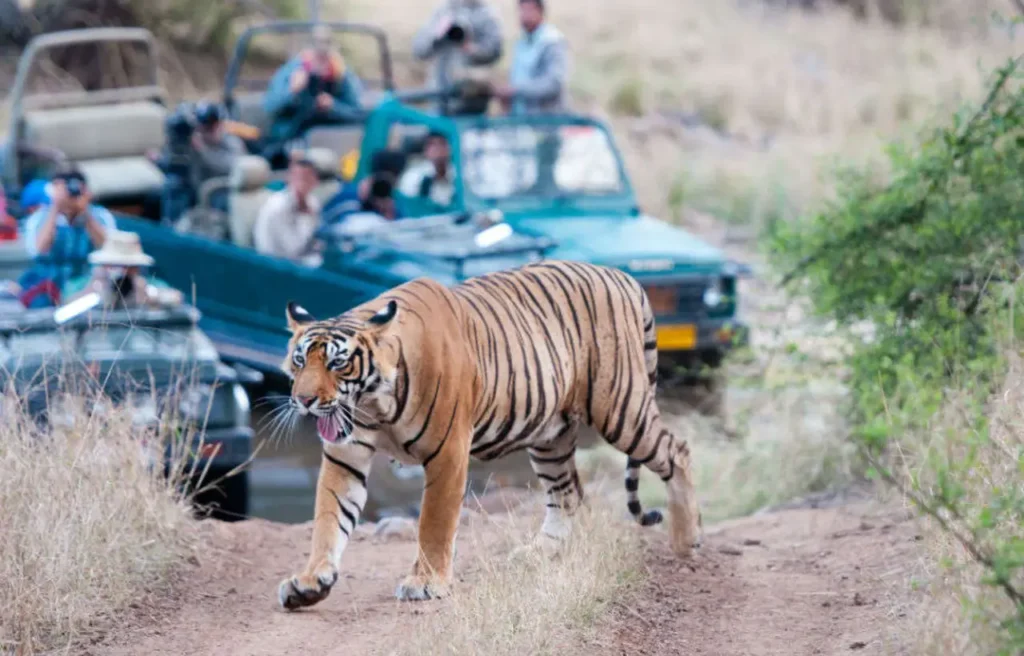
Introduction:-
Ranthambore National Park is one of India’s most iconic wildlife destinations, located in southeastern Rajasthan and known for combining raw jungle beauty with deep-rooted history. Spread across dry deciduous forests, lakes, and rocky hills, the park attracts travelers who want more than a routine safari experience. Ranthambore is famous for offering a rare chance to see Bengal tigers in their natural habitat, often during daylight hours, which makes it stand out among Indian national parks.
Beyond wildlife, Ranthambore is famous for the historic Ranthambore Fort, ancient temples, and scattered ruins that reflect Rajasthan’s royal past. The park’s rich biodiversity, birdlife, and dramatic landscapes add to its appeal for nature lovers and photographers alike. Many travelers include Ranthambore as part of a broader Rajasthan journey, often pairing it with heritage cities through a Best Rajasthan Tour Package or combining it with Delhi and Agra via a Golden Triangle Tour Package With Ranthambore. This blend of wildlife, heritage, and scenic beauty clearly explains why Ranthambore is famous among both Indian and international travelers.
What Ranthambore Is Famous For
Ranthambore is famous for its rare mix of wildlife, history, and raw jungle scenery, which is what sets it apart from most national parks in India. At the heart of its popularity are the Bengal tigers, often spotted in open daylight during safari drives. This is one of the main reasons travelers closely track ranthambore safari time and safari time in ranthambore, since early morning and late afternoon safaris offer the best chances of sightings.
Beyond tigers, ranthambore sightseeing includes the iconic Ranthambore Fort, a UNESCO World Heritage Site that sits dramatically atop a hill inside the park. The fort’s ancient temples, massive gates, and panoramic views of the forest add a strong historical layer to the wildlife experience. Many visitors plan their day around safari schedules and fort visits, keeping both ranthambore safari time and local sightseeing hours in mind.
Ranthambore is also famous for its diverse wildlife and bird species. Leopards, sloth bears, sambar deer, marsh crocodiles, and hundreds of resident and migratory birds thrive here. The changing ranthambore temperature across seasons plays a big role in animal movement, which is why understanding the climate helps visitors choose the right time for safaris and exploration.
The park’s landscape itself is a major attraction. Scenic lakes like Padam Talao, ancient ruins slowly reclaimed by the jungle, rocky hills, and dense forests create a dramatic setting that feels untouched and wild. These natural features are central to ranthambore sightseeing and make every safari visually rewarding, not just wildlife-focused.
For travelers coming from Rajasthan’s popular cities, planning is straightforward. Knowing the udaipur to ranthambore distance helps visitors align travel time with safari bookings and weather conditions. Many tourists combine Udaipur and Ranthambore in one trip, adjusting schedules based on ranthambore temperature and safari availability.
In short, ranthambore is famous for its tiger safaris, historic fort, rich biodiversity, and striking landscapes. When combined with the right safari time in ranthambore, favorable weather, and a well-planned route considering the udaipur to ranthambore distance, the destination delivers an experience that goes far beyond a typical wildlife park.
Ranthambore National Park is one of India’s most celebrated wildlife destinations, known for offering a rare balance of adventure, history, and natural beauty in one place. Located in Rajasthan, the park draws travelers who want more than just a jungle safari. Ranthambore is famous for its open landscapes, visible wildlife, and a setting where nature and heritage exist side by side.
Ranthambore Safari Time and Jungle Entry Details
Understanding ranthambore safari time is crucial for planning a successful wildlife experience. The park operates two safari slots each day: a morning safari and an evening safari. The safari time in ranthambore usually starts early in the morning, just after sunrise, when animal movement is at its peak. The evening safari begins in the late afternoon and continues until sunset, offering another strong chance for tiger sightings.
Safari timings change slightly with seasons. During winter months, safaris start later in the morning due to colder conditions, while in summer the ranthambore safari time shifts earlier to avoid peak heat. Choosing the right safari time in ranthambore directly affects wildlife visibility, as animals tend to stay near water bodies during warmer months.
Visitors can choose between Gypsy and Canter safaris. Gypsies are smaller and more flexible, while Canters carry larger groups. Regardless of the vehicle, aligning your safari booking with the correct ranthambore safari time greatly improves your chances of memorable sightings.
Ranthambore Temperature and Best Time to Visit
Understanding ranthambore temperature is essential when deciding the best time to plan your trip. The climate directly affects safari comfort, wildlife movement, and overall sightseeing experience. During summer, from April to June, ranthambore temperature can range between 35°C and 45°C. While the heat can be intense, this season is considered excellent for tiger sightings because animals frequently visit water bodies.
Winter months, from October to February, offer the most pleasant ranthambore temperature, usually ranging between 8°C and 25°C. These cooler conditions are ideal for comfortable safaris and extended sightseeing, though wildlife sightings may require more patience due to denser vegetation.
The monsoon season, from July to September, brings moderate ranthambore temperature along with rainfall. The park remains closed during peak monsoon months to allow forest regeneration. For travelers seeking a balance between comfort and sightings, the best time to visit is from October to March, when ranthambore temperature remains manageable and safari conditions are favorable.
Udaipur to Ranthambore Distance and Travel Options
Knowing the udaipur to ranthambore distance helps travelers plan their journey efficiently, especially when safari timings are fixed. The udaipur to ranthambore distance by road is approximately 380 kilometers. Depending on traffic and route conditions, the journey usually takes around 7 to 8 hours by car. This distance makes Ranthambore a popular addition to Udaipur-based Rajasthan itineraries.
The most preferred route to cover the udaipur to ranthambore distance is via NH 27 and NH 52, passing through Chittorgarh and Kota. This road route offers good driving conditions and convenient stopovers, which is why many travelers choose private taxis or self-drive options.
For those who prefer rail travel, trains run from Udaipur City to Sawai Madhopur, the nearest railway station to Ranthambore. Buses are also available, though they take longer. Despite multiple options, road travel remains the easiest way to cover the udaipur to ranthambore distance, offering flexibility and better control over travel schedules.
Ranthambore Sightseeing Places Beyond the Safari
While wildlife safaris are the main attraction, ranthambore sightseeing offers much more for travelers who want a deeper experience. One of the most important ranthambore sightseeing spots is Ranthambore Fort, a UNESCO World Heritage Site located inside the park. The fort’s massive gates, ancient temples, and sweeping views of the forest make it a must-visit beyond the safari zones.
Padam Talao is another highlight of ranthambore sightseeing, known for its scenic beauty and frequent wildlife activity near the water. Close by, the Raj Bagh Ruins showcase old palaces and arches surrounded by lakes, creating one of the most photogenic ranthambore sightseeing locations.
The Trinetra Ganesh Temple, situated within the fort complex, attracts both devotees and tourists, adding a spiritual dimension to ranthambore sightseeing. For a more grounded experience, local village visits introduce travelers to rural life, crafts, and traditions, rounding out ranthambore sightseeing with culture and authenticity beyond the jungle.
Sample 2-Day or 3-Day Ranthambore Itinerary
A well-planned itinerary helps you experience Ranthambore beyond just quick safari visits, balancing wildlife, heritage, and leisure at a comfortable pace.
Day 1: Arrive in Sawai Madhopur by afternoon and check in to your hotel. In the evening, explore nearby local markets or enjoy a relaxed nature walk around the property. This downtime helps you adjust before early safari timings the next day.
Day 2: Start early with a morning jungle safari, which is usually the best time for wildlife sightings. After breakfast, head out for Ranthambore sightseeing, covering Ranthambore Fort, Trinetra Ganesh Temple, and scenic viewpoints. Spend the afternoon at leisure and return for an evening safari to experience the forest in a different light.
Day 3 (Optional): If you have an extra day, enjoy another morning safari or visit Padam Talao and Raj Bagh Ruins. Wrap up your trip with village visits or a relaxed departure, ensuring a balanced Ranthambore experience.
Frequently Asked Questions About Ranthambore
What is the best safari time in Ranthambore?
The best safari time in Ranthambore is during the early morning and late afternoon slots. These hours align with peak animal movement, especially for tigers. Choosing the right ranthambore safari time significantly improves wildlife sighting chances.
How hot does Ranthambore get in summer?
During peak summer months, ranthambore temperature can rise between 40°C and 45°C. While the heat is intense, summer is considered one of the best seasons for tiger sightings because animals often gather near water sources.
Is Ranthambore worth visiting without a safari?
Yes, Ranthambore is worth visiting even without a safari. Ranthambore sightseeing includes attractions like Ranthambore Fort, Padam Talao, Raj Bagh Ruins, and Trinetra Ganesh Temple, offering history, culture, and scenic beauty beyond wildlife drives.