What to Do in Mumbai, India: Complete Guide 2026

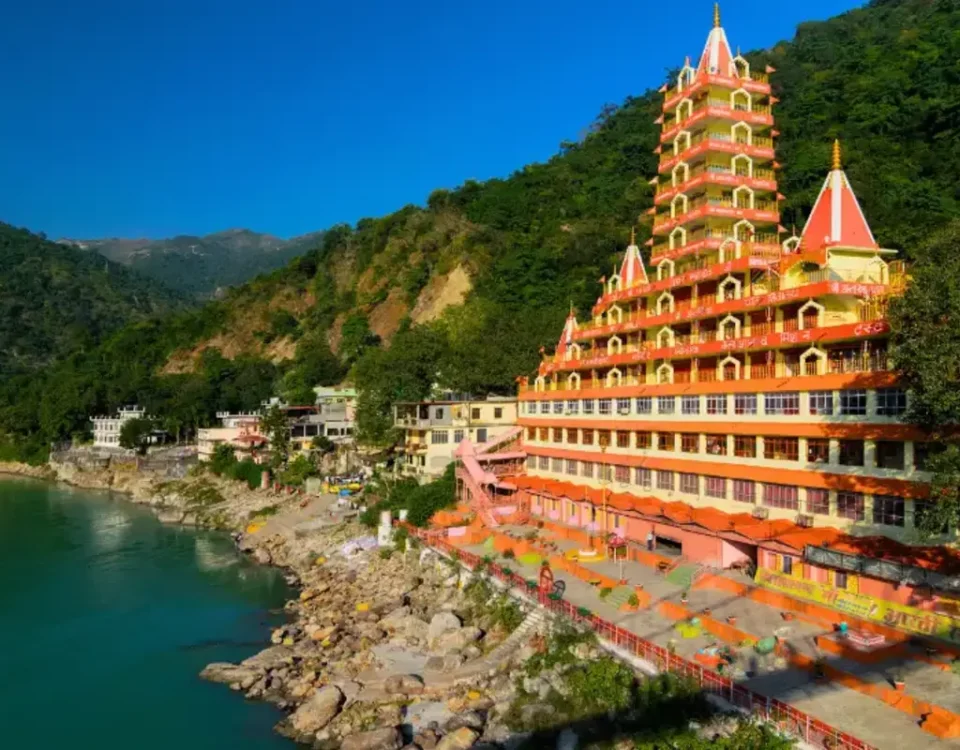
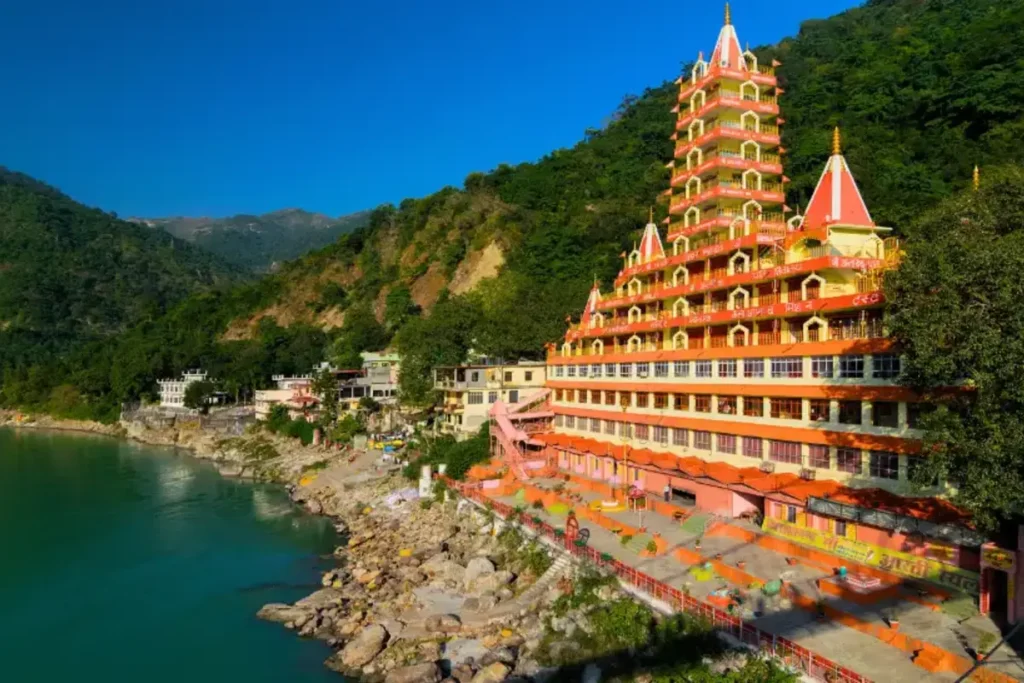
Geeta Bhavan Rishikesh: An Authentic Spiritual Stay on the Banks of the Ganges
January 29, 2026How to Spot the Best Travel Company in India in 10 Minutes (Real Tips)
March 27, 2026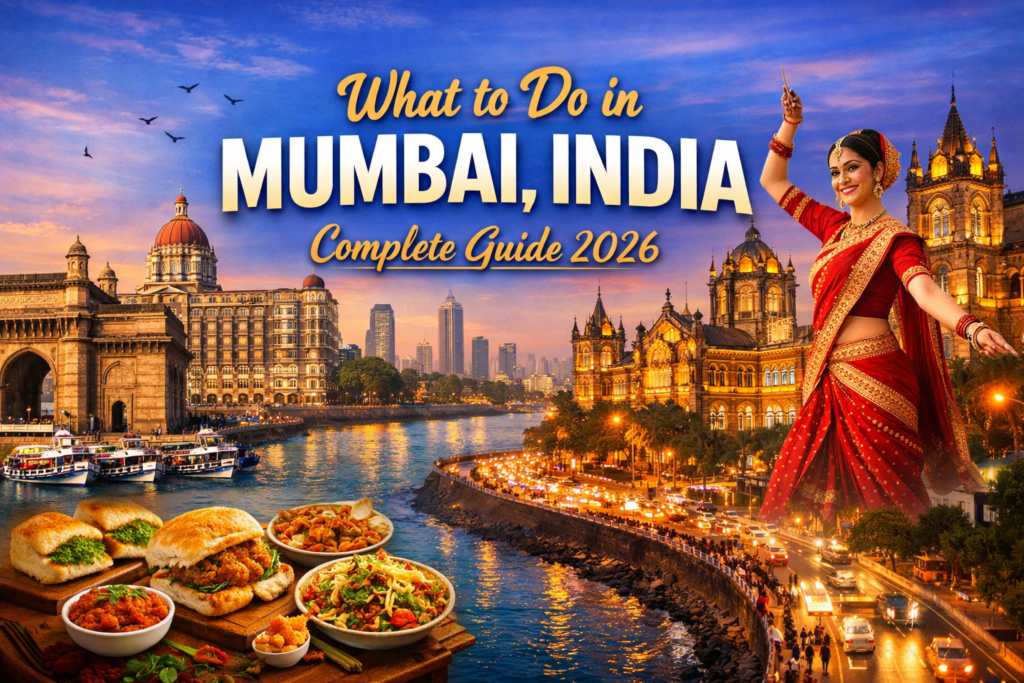
Mumbai is not just a city, it’s an experience that hits you the moment you step in. Fast, chaotic, glamorous, and deeply rooted in history, Mumbai blends colonial charm, Bollywood energy, street food culture, and coastal beauty like no other place in India. If you’re planning a trip in 2026, this guide will help you explore Mumbai smartly without wasting time on the obvious tourist traps.
Start with the Iconic Landmarks
Your Mumbai journey should begin with its most recognizable symbol, the Gateway of India. Overlooking the Arabian Sea, this monument reflects the city’s colonial past and is usually buzzing with tourists, photographers, and local vendors. Right across stands the Taj Mahal Palace Hotel, which adds a luxury contrast to the historic setting.
From here, take a ferry ride to Elephanta Caves, a UNESCO World Heritage Site. The caves are famous for their rock-cut sculptures dedicated to Lord Shiva. It’s not just a sightseeing spot, it’s a glimpse into ancient Indian art and spirituality.
Explore Marine Drive and the Coastal Charm
Marine Drive is where Mumbai slows down, at least a little. This long stretch along the sea is best visited during sunset. Locals come here to sit, talk, and escape the madness of the city. At night, the street lights create a curve known as the “Queen’s Necklace.”
Close by, you’ll find Girgaon Chowpatty, a popular beach where you can try Mumbai’s street food like pav bhaji and bhel puri. Just don’t expect a clean beach experience, it’s more about the vibe than the view.
Dive into Mumbai’s Street Food Scene
If you skip street food in Mumbai, you’re doing the trip wrong. This city thrives on quick, flavorful bites that locals swear by.
Try vada pav, which is basically Mumbai’s answer to a burger but way more satisfying. Head to Mohammed Ali Road if you want rich Mughlai dishes, especially during evenings. For something sweet, grab a kulfi or falooda.
Be cautious though. Eat at busy stalls where turnover is high. That’s usually where food is fresher and safer.
Experience Bollywood and Local Culture
Mumbai is the heart of Bollywood. While you may not randomly bump into celebrities, you can still experience the film culture. Consider taking a Bollywood studio tour to understand how movies are made.
If you’re more into arts, visit Kala Ghoda. This area is packed with art galleries, cafes, and cultural spaces. The vibe here is very different from the rest of the city, more relaxed, more creative.
Also, don’t miss Chhatrapati Shivaji Maharaj Terminus (CSMT). It’s not just a railway station, it’s a UNESCO site with stunning Victorian Gothic architecture.
Visit Markets for a Real Local Experience
Mumbai’s markets are chaotic but worth it.
Colaba Causeway is perfect for street shopping. You’ll find clothes, accessories, antiques, and random souvenirs. Bargaining is expected, so don’t pay the first price.
Crawford Market is another must-visit, especially if you want to see local life up close. From fruits to pets to imported goods, everything is sold here. It’s messy, crowded, but real.
Take a Break with Nature and Views
If the city feels overwhelming, head to Sanjay Gandhi National Park. Yes, a national park inside a metro city. You can explore Kanheri Caves here or even go for a short trek.
For a calmer coastal experience, visit Bandra Bandstand. It offers great sea views and is also close to Bollywood celebrity homes. It’s cleaner and less chaotic compared to South Mumbai beaches.
Discover Mumbai’s Nightlife
Mumbai doesn’t really sleep. From rooftop lounges to local bars, nightlife here is diverse.
Lower Parel and Bandra are the hotspots. Whether you want high-end cocktails or live music, you’ll find options. If you’re someone who enjoys a more relaxed evening, stick to cafes or sea-facing spots.
Plan Smart Day Trips
Mumbai works well as a starting point for exploring other iconic destinations in India. If you want to extend your trip, consider combining Mumbai with a broader itinerary.
For example, the Golden Triangle Tour covers Delhi, Agra, and Jaipur and is perfect for first-time visitors. If wildlife excites you, the Golden Triangle Tour with Ranthambore adds a thrilling tiger safari experience.
You can also opt for a focused Agra Tour Package to witness the Taj Mahal, or go all-in with a Rajasthan Tour Package to explore forts, palaces, and desert landscapes.
Where to Stay in Mumbai
Choosing the right area matters a lot in Mumbai because traffic can eat up your time.
South Mumbai is ideal if you want to stay close to major attractions like Gateway of India and Marine Drive. It’s more expensive but saves travel time.
Bandra and Juhu are better if you prefer a modern vibe with cafes, nightlife, and easier airport access.
Budget travelers can look for stays in Andheri, but be prepared for longer commutes.
Best Time to Visit Mumbai
The best time to visit Mumbai is from November to February. The weather is pleasant and manageable for sightseeing.
Avoid the monsoon season (June to September) unless you specifically want to experience Mumbai rains. While the city looks beautiful, heavy rains can disrupt plans.
Final Thoughts
Mumbai is not a city you “see” in a checklist manner. You experience it. It’s loud, imperfect, and sometimes exhausting, but that’s exactly what makes it unforgettable.
If you try to control the chaos, you’ll hate it. If you go with the flow, you’ll love it.
So don’t over-plan every minute. Leave space to wander, eat randomly, talk to locals, and just observe. That’s where the real Mumbai reveals itself.