Nahargarh Fort Jaipur Rajasthan: History, Stories and Why It’s a Must-Visit

Golden Triangle Tour of India: A Complete Guide to India’s Most Iconic Travel Circuit
November 25, 2025
Bangla Sahib Gurudwara Delhi: History, Timings, Langar Schedule and How to Visit in New Delhi
December 6, 2025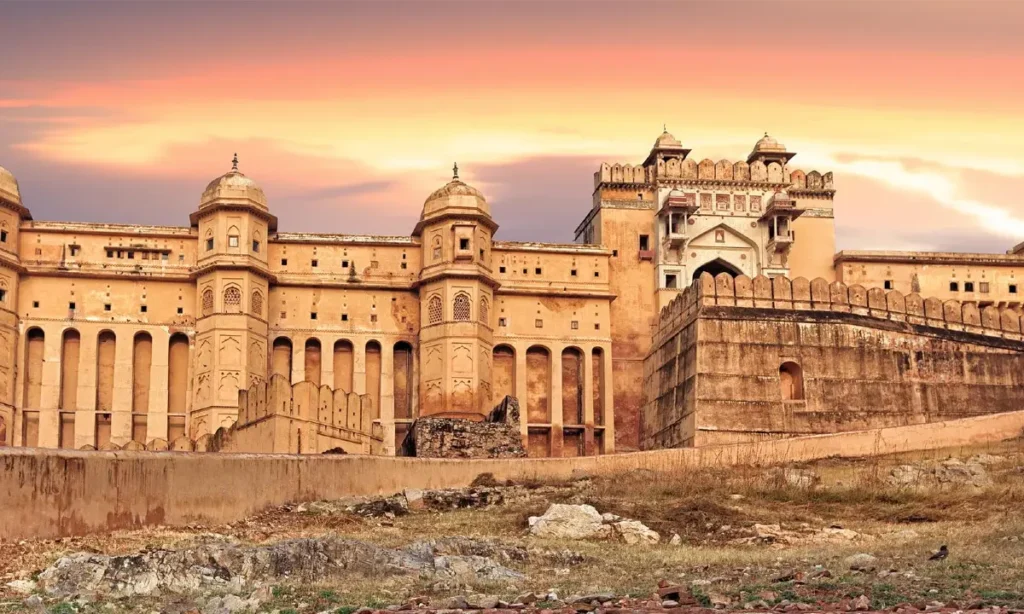
Introduction
Nahargarh Fort sits proudly on the edge of the Aravalli hills and gives one of the best views of Jaipur. When people talk about historic Jaipur, Nahargarh Fort is always part of that conversation because it connects the city’s royal past with untouched natural beauty. Built to guard the Pink City, this fort reflects the strength and vision of the old Rajput kingdom. Many visitors know it for the architecture and viewpoints, but the stories behind it make the experience even stronger.
Nahargarh Fort Jaipur Rajasthan isn’t just another historic monument. It represents strategy, courage, and legends that have been passed down for generations. From tales of restless spirits to thoughtful royal craftsmanship, every corner carries a story. If you’re planning a visit, expect a mix of history, heritage architecture, panoramic sunsets, and useful travel tips that make exploring Nahargarh Fort simple and memorable.
This guide will walk you through the fort’s past, its famous ghost story, the key attractions inside, and everything you need to know before visiting.
History of Nahargarh Fort Jaipur
Origin and Purpose
Nahargarh Fort was built in 1734 when Jaipur was still taking shape as the new capital of Rajasthan. The fort was designed to protect the growing kingdom and secure the northern boundary of the city. It formed a strategic defense network along with Amer Fort and Jaigarh Fort, creating a strong security triangle for the region.
Founder
The fort was commissioned by Maharaja Sawai Jai Singh II, the visionary ruler who founded Jaipur. His goal wasn’t only defense. He wanted a place where the royal family could retreat, hunt, host discussions, and observe the city from a height.
Role Over Time
While Nahargarh Fort Jaipur history shows it was built for protection, it never faced a significant battle. Instead, it evolved into a peaceful royal retreat. During political tensions in later years, the fort also served as a safe refuge for members of the royal household.
Legacy in Rajasthan’s Heritage
Today, Nahargarh Fort Jaipur Rajasthan stands as an important cultural and architectural landmark. It reflects the foresight of its ruler, the strength of the Rajput dynasty, and the balance between military strategy and royal comfort.
The Legend Behind Nahargarh Fort: The Famous Story
Every historic place has a mystery attached to it, and the Nahargarh Fort Jaipur story is one of the most talked about in Rajasthan. According to local belief, the construction of the fort faced repeated obstacles. Walls collapsed overnight, workers refused to continue, and progress slowed down for reasons no one could explain. The situation became worrying enough that the king ordered an investigation.
The legend points to a spirit named Nahar Singh Bhomia, believed to be the protector of the land where the fort now stands. Locals claimed his spirit was restless and didn’t approve of the construction. Whether fact or myth, the fear among workers was real. Construction stalled for weeks because nobody wanted to challenge what they believed was a supernatural warning.
To calm the situation, rituals and prayers were performed. A small temple and memorial were built inside the fort to honor Nahar Singh Bhomia. Only after this did the construction continue smoothly. The story has been passed down for generations and still adds a mysterious charm to Nahargarh Fort.
Even today, visitors and guides mention the legend. Some people treat it as a ghost story, others see it as respect for the past. Either way, it gives Nahargarh Fort a personality beyond stone walls and royal architecture. It’s one of those tales that stays with you long after you’ve left the fort.
Architectural Highlights of Nahargarh Fort
Nahargarh Fort Jaipur may not be as massive as Amer Fort, but its design reflects thoughtful planning and a blend of practicality with royal elegance. The architecture showcases Rajput craftsmanship, smart defensive layout, and later influences that added comfort and style for the royals.
Imposing Gateways
The entrance of Nahargarh Fort sets the tone. The gateways were built tall and sturdy to guard against invasions. Their structure follows traditional Rajput military architecture, with narrow passages, thick walls, and watch points that offered protection while allowing guards to keep an eye on anyone entering the fort.
Madhavendra Bhawan
One of the most impressive sections of Nahargarh Fort is Madhavendra Bhawan, built by Maharaja Sawai Madho Singh. This palace was designed as a retreat for the king and his queens. The layout includes a central courtyard surrounded by twelve identical suites, each built for a queen, with the king’s residence positioned strategically to connect them. The symmetry, private chambers, and ventilation reflect a deep understanding of comfort and climate.
Frescoes and Rajput Detailing
Inside the palace, the walls are decorated with delicate frescoes, floral motifs, and geometric patterns. These details showcase traditional Rajput artistry and hint at Persian influence during later renovations. The pastel colors and intricate detailing create a sharp contrast to the rugged exterior of Nahargarh Fort.
Together, these architectural elements make Nahargarh Fort more than a defensive structure. It reflects history, art, and royal lifestyle all in one place.
Best Things to Do at Nahargarh Fort
Nahargarh Fort offers a mix of history, scenery, and relaxed experiences, making it a great stop for travelers, especially those exploring Rajasthan as part of a Golden Triangle Tour.
Sunset Viewpoint
One of the main reasons people visit Nahargarh Fort is the sunset. The hilltop location gives you a clear panoramic view of Jaipur, and watching the city slowly light up as the sky turns orange and purple is worth the wait. If there’s one thing you shouldn’t miss here, it’s this.
Wax Museum
Near the entrance, the wax museum adds a fun twist to the visit. The life-size figures include rulers, warriors, and famous personalities, making it a good stop if you want something different from the usual historical tour.
Stepwell (Baori)
The stepwell inside the fort is one of the most photographed features here. The clean geometric design and sandstone structure make it visually striking. It also highlights how water conservation was deeply rooted in Rajasthan’s architecture and planning.
Restaurants and Scenic Photography Spots
There are cafes and rooftop dining spaces where you can sit, enjoy food, and take in the view. The fort is full of photo-friendly frames — corridors, old walls, gateways, courtyards, and viewpoints. Whether you use a phone or a DSLR, you’ll walk away with good shots.
Nahargarh Fort isn’t just a place to see. It’s a place to slow down, wander, and enjoy the atmosphere — especially if it’s a part of your Golden Triangle Tour.
Nahargarh Fort Jaipur Rajasthan: Visitor Information Guide
Best Time to Visit
The best time to visit Nahargarh Fort is from October to February, when the temperature is comfortable for walking around and exploring. If you want to avoid crowds and heat, reach early in the morning when it opens. For photography and views, late afternoon leading into sunset is ideal because the fort offers one of the most stunning sunset views in Jaipur.
Entry Fee and Timings
- Entry Fee (Indians): ₹50
- Entry Fee (Foreign Tourists): ₹200
- Approximate Timings: 10:00 AM to 5:30 PM
Some parts of the outer view points and restaurants may stay open longer, but official entry to the monument closes in the evening.
How to Reach from Jaipur City Center
Nahargarh Fort is located on the Aravalli hills overlooking the city and is roughly 15–20 km from central Jaipur, depending on where you start.
You can reach the fort in the following ways:
- Taxi or Cab: The most convenient and safe option. Travel time is around 30–45 minutes.
- Auto-rickshaw: Cheaper than a cab but less comfortable for the steep hill road.
- Bike or Car (Self-drive): Easy if you’re confident on narrow hill roads.
- Hike: A walking trail from the foothills takes about 30 minutes and is popular with fitness enthusiasts and photographers.
With clear timings, easy access options, and a pleasant season window, planning a visit to Nahargarh Fort Jaipur Rajasthan is simple and worth the effort.
Nahargarh Fort vs Amer Fort vs Jaigarh Fort
Jaipur’s hill forts each offer something different, and comparing them helps you understand what makes each one worth visiting. Many travelers exploring Rajasthan as part of a Golden Triangle Tour with Rishikesh or a Golden Triangle Tour with Varanasi often visit all three because they reflect different sides of Rajput history.
Nahargarh Fort
Nahargarh Fort is known for its peaceful atmosphere, open viewpoints, and the famous Madhavendra Bhawan. It wasn’t built for major battles, so the architecture feels more relaxed and residential. The fort is especially popular for sunsets, photography spots, and its ghost legends. If you want views over Jaipur and a calm experience, this is the ideal stop.
Amer Fort
Amer Fort is the most elaborate of the three and feels like a royal palace rather than a defensive structure. The Sheesh Mahal, Shila Devi Temple, courtyards, and elephant-decorated entrances make it the grandest fort in Jaipur. The attention to detail and the scale of the architecture make it a standout for history enthusiasts and culture lovers.
Jaigarh Fort
Jaigarh Fort feels practical, strong, and military-focused. It was built to protect Amer Fort and store weapons. The major highlight is the Jaivana Cannon, once considered one of the largest wheeled cannons in the world. The fort is rugged, far less decorative, but full of strategy and history.
Quick Comparison
| Category | Nahargarh Fort | Amer Fort | Jaigarh Fort |
| Main Purpose | Royal retreat and viewpoint | Palace and residence | Military defense |
| Atmosphere | Calm, scenic | Grand and cultural | Rugged and historic |
| Best Feature | Sunset point and Madhavendra Bhawan | Sheesh Mahal and courtyards | Jaivana Cannon and defense layout |
| Ideal For | Photography and views | Architecture and heritage | History and strategy |
Whether you’re creating a customized trip or searching for the Best Rajasthan Tour Package, visiting these three forts gives you a complete picture of Jaipur’s royal and military legacy.
Travel Tips for Visiting Nahargarh Fort Jaipur
Safety Tips
Nahargarh Fort sits on a hill, so the pathways can be uneven. Wear proper shoes and avoid running or leaning too far over the edges, especially near viewpoints. If you’re visiting late in the day, leave before it gets dark because the roads leading down are narrow and less lit. Also, keep an eye on belongings because the area can get crowded during weekends and sunset hours.
Clothing Recommendations
Jaipur can get hot, especially from March to September, so light cotton clothes work best in warm months. During winter, mornings and evenings can be cold at the fort, so carrying a light jacket is smart. Since there’s a lot of walking, choose comfortable footwear instead of sandals or heels.
Photography Suggestions
Nahargarh Fort is a great spot for photos because of its height and architecture. The stepwell, Madhavendra Bhawan corridors, and the main viewpoint overlooking Jaipur are the most photogenic areas. If you’re serious about photography, come during sunrise or late afternoon. The soft light highlights the stonework and gives depth to the city skyline below. A wide-angle lens works well for landscapes, while a phone camera is enough for casual clicks if you’re just exploring.
Planning ahead makes the visit smoother and helps you enjoy Nahargarh Fort without rushing.
Travel Tips for Visiting Nahargarh Fort Jaipur
Safety Tips
Since Nahargarh Fort is located on a hill, some areas have uneven steps and open viewpoints. Walk carefully, especially near the edges and stairways. If you’re driving up, stay alert on the narrow uphill road because traffic can get tight. It’s also better to leave before it gets completely dark, as the road back isn’t well-lit.
Clothing Recommendations
The weather in Jaipur varies by season, so what you wear matters. During summer, light and breathable fabrics will make the visit more comfortable. Winter can get chilly in the evenings, especially at higher altitude, so carrying a light jacket is smart. Comfortable walking shoes are a must because you’ll cover a fair amount of ground.
Photography Suggestions
Nahargarh Fort is a dream spot for photography lovers. The best time to shoot is either early morning or during sunset when the light is softer and the skyline looks impressive. The stepwell, the palace corridors, and the main viewpoint overlooking Jaipur are perfect frames. If you’re using a phone, switch to wide mode for landscape shots and keep the horizon level for cleaner pictures.
A little planning helps you enjoy the fort without unnecessary hassle and makes the experience smoother and more memorable.
Why Nahargarh Fort Is a Must-Visit
Nahargarh Fort isn’t just another historic site in Jaipur. It’s a place where stories, architecture, and landscapes come together in a way that feels real and memorable. The history gives you context about how Jaipur was protected and ruled. The architecture, especially Madhavendra Bhawan, shows how royalty blended strength with comfort. And the views speak for themselves. Standing at the edge and watching the entire Pink City spread out below is something you don’t forget.
Whether you’re here for photography, history, quiet moments, or simply the sunset, Nahargarh Fort delivers more than you expect. It offers a calm atmosphere compared to the larger and busier forts nearby, yet carries its own identity through legends, design, and the experience of being above the city.
If you’re exploring Jaipur, skipping Nahargarh Fort would mean missing a key part of what makes the city special. It’s not just a monument. It’s a perspective — of heritage, power, and the beauty of Rajasthan from above.