Varanasi Ganga Aarti Timings & Assi Ghat Travel Guide

Rishikesh Ganga Aarti Time: Morning and Evening Aarti at Triveni Ghat
September 6, 2025
Ram Jhula and Laxman Jhula Rishikesh: History, Distance, and Must-Know Travel Guide
October 6, 2025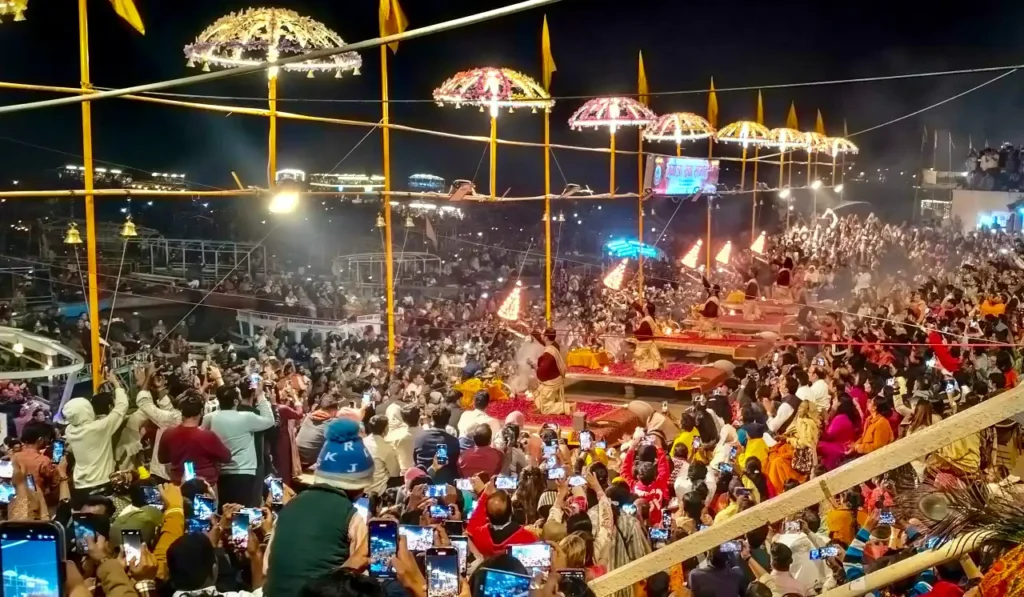
On the banks of the sacred Ganga, Varanasi glows with devotion every evening as lamps flicker and chants fill the air. The Ganga Aarti is more than a ceremony—it’s a spiritual spectacle where priests in traditional attire perform synchronized rituals with incense, fire, and music. Among the many riverfront steps, Dashashwamedh Ghat and Assi Ghat stand out for their grandeur and serene charm.
This guide brings everything you need to know in one place: accurate Ganga Aarti timings in Varanasi, detailed insights into Assi Ghat’s morning and evening rituals, and practical travel details from Varanasi railway station or airport. Whether you’re seeking a divine experience, a cultural journey, or simply the perfect moment to witness the city’s heart, this blog helps you plan every detail and understand the meaning behind this age-old tradition.
Why Ganga Aarti in Varanasi Is So Special
The Ganga Aarti in Varanasi is one of India’s most captivating spiritual rituals, blending devotion, history, and culture. Performed every evening on the ghats, it honors the sacred River Ganga, which is considered a lifeline and a goddess in Hindu tradition. Priests dressed in saffron robes light huge brass lamps, chant Vedic hymns, and create a rhythmic spectacle of incense, bells, and conch shells. The sight of countless diyas (lamps) floating on the river symbolizes the eternal flow of life and the victory of light over darkness.
Varanasi itself is believed to be more than 3,000 years old, making it one of the world’s oldest continuously inhabited cities. According to legend, Lord Shiva founded the city, and the Ganga descended here to wash away sins and grant moksha (liberation). This deep mythological connection draws pilgrims and seekers from across the globe.
For many travelers, experiencing the Ganga Aarti is a spiritual highlight that complements broader journeys across India. If you are exploring northern India through a Golden Triangle Tour Via Rishikesh, the serene power of the Ganga at Varanasi offers a perfect spiritual counterpart to the Himalayan setting. Likewise, a Golden Triangle Tour Via Varanasi immerses you in the city’s sacred atmosphere, blending cultural heritage with divine devotion. Whether you come for faith, photography, or pure wonder, the Ganga Aarti embodies the soul of India’s living traditions and leaves a lasting impression on every visitor.
Varanasi Ganga Aarti Timings & Ritual Flow
The Ganga Aarti at Varanasi follows a well-orchestrated schedule that changes slightly with the seasons and special festivals. Dashashwamedh Ghat, the most famous venue, hosts the grand evening aarti every day. In summer, it usually begins around 7:00 pm, while in winter it starts earlier, closer to 6:00 pm, to match the earlier sunset. The ritual lasts about 45 minutes, so arriving at least half an hour in advance helps you find a good spot and absorb the serene atmosphere as dusk settles on the river.
Assi Ghat offers a different but equally beautiful rhythm. The celebrated Subah-e-Banaras sunrise aarti begins around 5:00 am, followed by yoga sessions and devotional music, while the evening aarti starts around 6:30–7:00 pm. Both moments are ideal for photographers and spiritual seekers alike. On grand occasions like Dev Deepawali, the timings stretch longer as thousands of lamps illuminate the ghats, creating a once-in-a-lifetime spectacle.
Travelers often weave this sacred experience into broader journeys across India. For example, many combine it with a Rajasthan Tour Package to enjoy the vibrant deserts and palaces after the calm of the Ganga, or plan a Rajasthan Travel Itinerary that includes a spiritual pause in Varanasi. Food lovers heading south might recall the delicate flavors of Karnataka Sweets as another example of India’s diverse traditions, while devotees may connect Varanasi’s sacred aura with other Famous Temples in North India. Each link in this cultural chain enriches the meaning of witnessing the Ganga Aarti.
All About Assi Ghat – The Heart of Morning Aarti
History and Atmosphere of Assi Ghat
Assi Ghat lies at the southern edge of Varanasi, where the Assi River meets the Ganga. For centuries it has been a peaceful gathering point for saints, scholars, and pilgrims seeking quiet reflection. The ghat exudes a softer charm than the bustling Dashashwamedh, with wide steps, calm waters, and a steady flow of spiritual energy that makes mornings here particularly serene.
Morning Subah-e-Banaras Aarti vs. Evening Aarti
The celebrated Subah-e-Banaras morning aarti begins around 5:00 am, welcoming the first light with Vedic chants, conch shells, and live classical music. Visitors often join pre-dawn yoga or meditation on the riverfront before sunrise. The evening aarti, starting around 6:30 pm, is quieter than Dashashwamedh’s spectacle but equally moving, with priests performing synchronized rituals by lamplight.
Why It’s Popular with Devotees, Photographers, and Travelers
Assi Ghat draws pilgrims for its sanctity and artists for its golden light and unhurried pace. Travelers love the panoramic views, boat rides, and authentic local culture found in nearby cafés and markets.
Why It’s Named Assi Ghat – The Story Behind It
Legend says Goddess Durga, after slaying demons Shumbha and Nishumbha, threw her sword into a small river called Assi at this spot. The river merged with the Ganga, giving the ghat its name and spiritual significance as a place of victory and purification.
Best Time to Attend Ganga Aarti
Ideal Seasons and Weather
The best months to witness Ganga Aarti are October to March, when the weather is cool and pleasant. Summer (April–June) can be very hot, and the monsoon (July–September) sometimes causes high river levels that affect seating and boat rides.
Recommended Arrival Time for a Good View
Arrive 30–45 minutes before the aarti to find a comfortable spot. Popular ghats like Dashashwamedh and Assi fill up quickly, especially during weekends, festivals, and full-moon nights like Dev Deepawali. Early arrival also gives time to soak in the riverfront atmosphere.
Tips for Sunrise vs. Evening Experiences
The Subah-e-Banaras sunrise aarti at Assi Ghat offers quiet meditation, soft morning light, and fewer crowds—ideal for photography and spiritual reflection. The evening aarti brings grandeur with glowing lamps, Vedic chants, and a festive mood, perfect for those seeking a vibrant cultural spectacle.
Traveler Tips for a Smooth Visit
Dress Code and Respectful Behavior
Wear modest, light cotton clothing that covers shoulders and knees to honor the sacred setting. Remove footwear where required and maintain a calm, prayerful demeanor during rituals.
Photography and Videography Etiquette
Photography is allowed at most ghats, but avoid using flash during the aarti. Always ask before capturing portraits of sadhus or devotees. For professional videography, seek permission from local authorities or event organizers.
Safety, Hygiene, and Where to Keep Belongings
Carry only essentials in a secure crossbody bag and keep valuables close, as the ghats can get crowded. Use bottled water and hand sanitizer to stay safe, and book boat rides through trusted operators. Planning a Varanasi Tour with reputable guides can further ease logistics, ensuring reliable transport, authentic local experiences, and added safety—making your visit smooth and spiritually enriching.
Nearby Attractions and Experiences
Boat Rides on the Ganges During Dawn or Dusk
A sunrise or sunset boat ride is one of Varanasi’s most peaceful experiences. The soft morning glow or golden evening light over the river offers spectacular views of the ghats and the daily rhythm of life along the Ganga.
Nearby Temples (Kashi Vishwanath, Sankat Mochan)
Just a short walk or rickshaw ride from Assi Ghat, the Kashi Vishwanath Temple stands as Varanasi’s spiritual centerpiece, while Sankat Mochan Hanuman Temple draws devotees seeking blessings for strength and peace. Visiting these temples deepens the sacred journey.
Local Food Streets (Kachori Gali, Assi Market)
Varanasi’s flavor is best savored on its streets. Kachori Gali tempts with crispy kachoris and spicy sabzi, while Assi Market buzzes with chai stalls, lassi shops, and sweet treats. Exploring these food lanes offers an authentic taste of Banarasi culture beyond the aarti and ghats.
FAQs About Varanasi Ganga Aarti
What time does Ganga Aarti start at Assi Ghat?
The morning Subah-e-Banaras aarti begins around 5:00 am, followed by yoga and music sessions, while the evening aarti usually starts between 6:30 and 7:00 pm, adjusting slightly with sunrise and sunset times.
Is Ganga Aarti free or ticketed?
Ganga Aarti is free for everyone, and you can watch it from the ghat steps. Some private boat operators and special seating areas may charge a fee for better views or comfort, but participation in the ritual itself is open to all.
How long does the aarti last?
Both morning and evening aartis typically last 45 minutes to an hour, giving visitors ample time to experience the full ritual of chanting, lamps, and conch shells.
Which ghat is best for evening aarti?
The grandest evening ceremony takes place at Dashashwamedh Ghat, while Assi Ghat offers a quieter, more intimate setting ideal for meditation and photography.
Can we take photos during Ganga Aarti?
Yes, photography is allowed in most areas. However, avoid using flash and be respectful of devotees and priests. For professional filming, it’s best to seek prior permission from local authorities.
Conclusion – A Spiritual Experience to Remember
Witnessing the Ganga Aarti in Varanasi is far more than observing a ritual—it’s stepping into centuries of living tradition where devotion, music, and the river’s gentle flow create pure serenity. Whether you join the quiet Subah-e-Banaras at Assi Ghat or the grand spectacle at Dashashwamedh, the harmony of fire, chant, and faith leaves a deep imprint on heart and mind. From the spiritual energy of the ghats to the vibrant lanes nearby, every moment reflects the soul of India. Come experience this timeless ceremony yourself and feel the calm and culture that make Varanasi truly unforgettable.