Golden Temple Amritsar: History, Sacred Meaning & What You See Inside

Ranthambore Travel Guide: Safari Time, Temperature, Distance & Sightseeing
December 24, 2025
Mathura Vrindavan Tour: Best Places & Time to Visit
January 15, 2026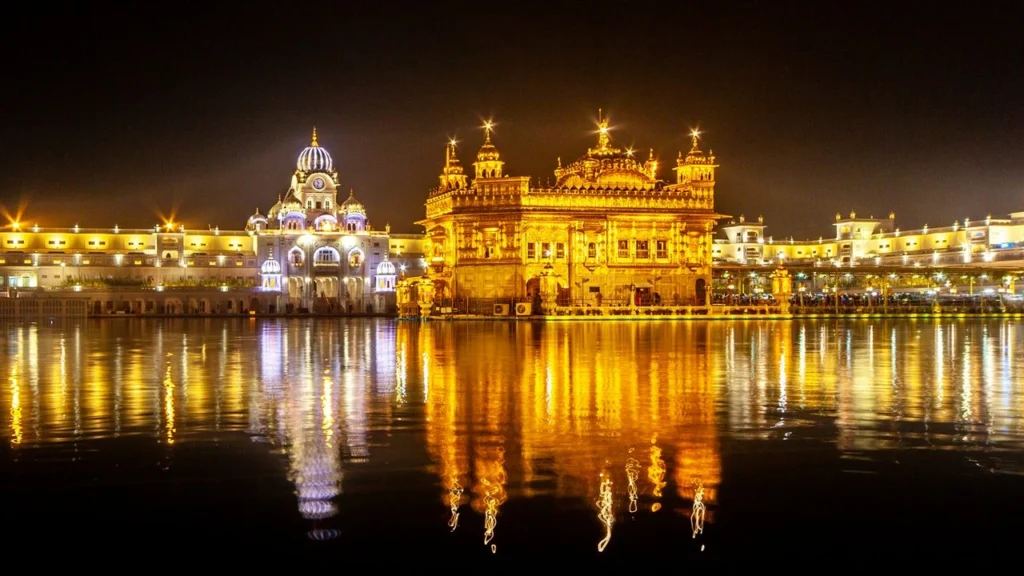
Introduction: The Spiritual Heart of Amritsar
The Golden Temple in Amritsar stands at the spiritual and cultural core of Punjab, drawing millions of visitors every year. Widely known as the Amritsar Golden Temple, it is more than a place of worship. It represents equality, service, and devotion in their purest form. From its shimmering sanctum to the calm of the sacred Sarovar, the Golden Temple Amritsar offers an experience that blends history, faith, and human connection. This guide explores the temple’s origins, its deeper spiritual meaning, and what visitors encounter inside, helping you understand why this sacred site continues to inspire people across the world.
Where Is the Golden Temple Located in Punjab?
The Golden Temple in Amritsar is located in the heart of Amritsar city in the Indian state of Punjab. Amritsar is not just a geographic location but the spiritual center of Sikhism, making Punjab deeply significant in Sikh history and culture. The temple sits within a busy yet well-organized old-city area, surrounded by markets, heritage streets, and community spaces that reflect everyday life in Punjab. Easily accessible by road, rail, and air, the golden temple amritsar punjab is well connected for pilgrims and travelers, which is why it often becomes the starting point for anyone exploring Sikh heritage for the first time.
History of the Golden Temple: Origins to Present Day
The history of the Golden Temple begins in the late 16th century, when Guru Ram Das Ji founded the city of Amritsar in present-day Punjab. He initiated the excavation of the sacred Sarovar, around which the Amritsar Golden Temple would later take shape. The foundation stone of the shrine was laid in 1589, and the temple was completed under Guru Arjan Dev Ji, the fifth Sikh Guru, who installed the Guru Granth Sahib inside the sanctum. From the beginning, the golden temple amritsar was designed with four entrances, symbolizing openness to people of all castes, religions, and backgrounds.
During the 18th century, the golden temple amritsar punjab faced repeated invasions and destruction. Each attack led to reconstruction, reinforcing its role as a symbol of Sikh resilience. A major transformation came in the early 19th century when Maharaja Ranjit Singh covered the upper structure with gold, giving the shrine its iconic appearance. This period marked a shift from survival to stability and patronage.
The history of the Golden Temple is also closely tied to its interior spaces. Inside the Golden Temple, Amritsar, daily recitation of the Guru Granth Sahib has continued uninterrupted for centuries, even during times of conflict. The inside of the Golden Temple reflects Sikh values through simplicity, sacred music, and community service rather than grandeur alone.
In the modern era, restoration efforts have focused on preserving both spiritual practices and heritage architecture. Today, the inside of golden temple remains a living space of worship, not a museum. The history of the Golden Temple is therefore not just about its past, but about how faith, service, and continuity have kept the Golden Temple Amritsar relevant in every generation.
Sacred Meaning and Spiritual Importance
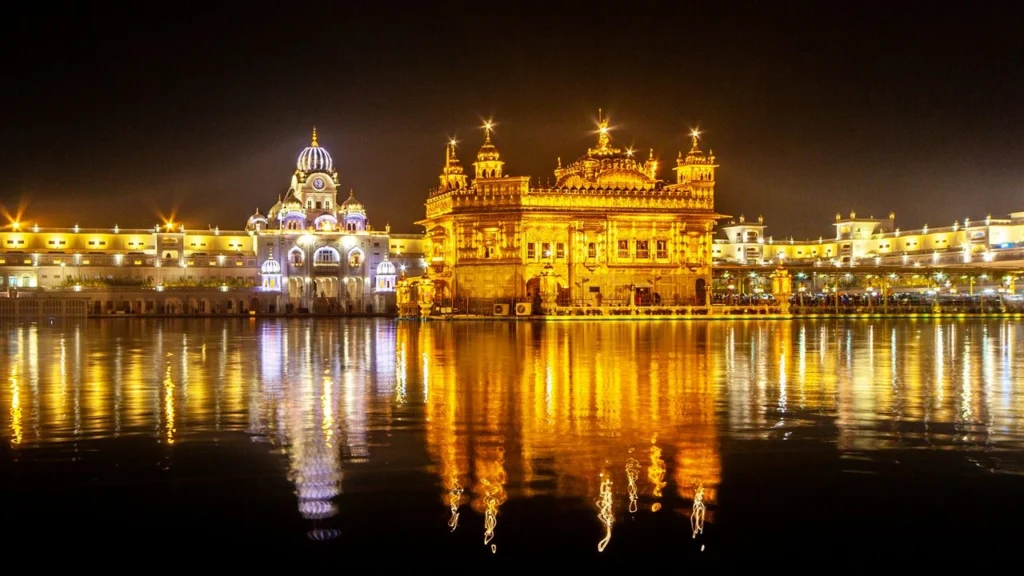
The Golden Temple, Amritsar, is formally known as Harmandir Sahib, which means the “Abode of God.” The name itself reflects the Sikh belief that the divine is accessible to all, without barriers of caste, creed, or status. This principle is deeply woven into the spiritual identity of the Amritsar Golden Temple and shapes every aspect of how the shrine functions.
At the core of the golden temple amritsar is the concept of equality. The temple’s four entrances face all directions, symbolizing openness to humanity as a whole. No visitor is treated as higher or lower, a value that is reinforced daily through seva, or selfless service. From cleaning the premises to preparing meals in the langar, volunteers serve without distinction, making service a form of spiritual practice rather than charity.
The sacred Sarovar surrounding the sanctum holds equal importance. Bathing in its waters is seen as an act of inner reflection rather than ritual cleansing. For many devotees, the calm of the Sarovar creates a spiritual balance that complements prayer inside the shrine. Together, these elements make the golden temple amritsar not only a religious site, but a living expression of Sikh philosophy grounded in humility, inclusiveness, and shared responsibility.
Golden Temple Amritsar Inside: First Impressions
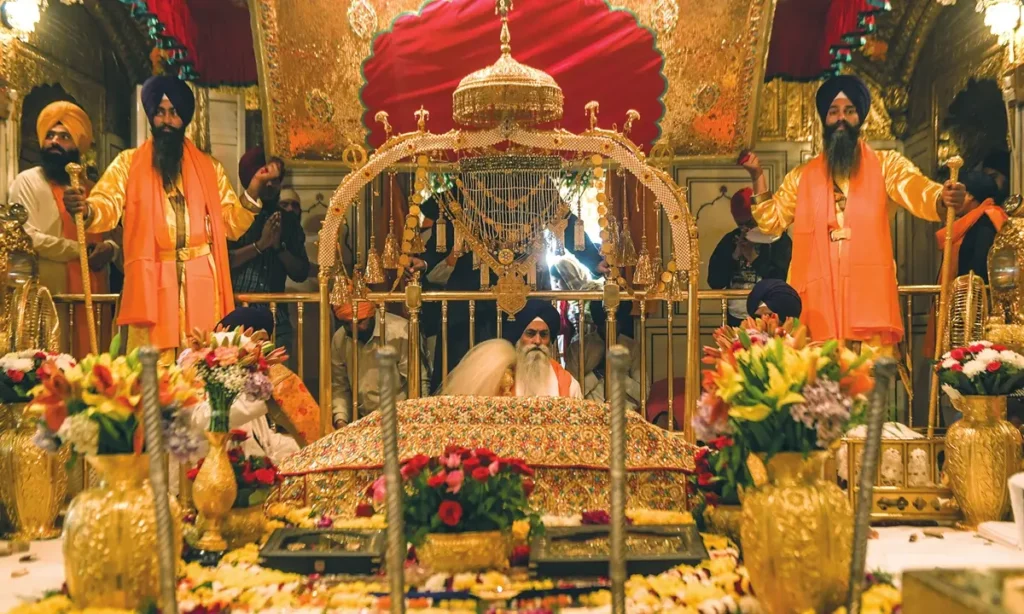
Stepping into the Golden Temple Amritsar is a moment that slows you down instantly. The atmosphere shifts from the busy streets outside to a space filled with calm, rhythm, and purpose. As soon as you enter, the sound of Gurbani softly echoes across the marble pathways, setting a reflective tone that defines the golden temple Amritsar inside experience.
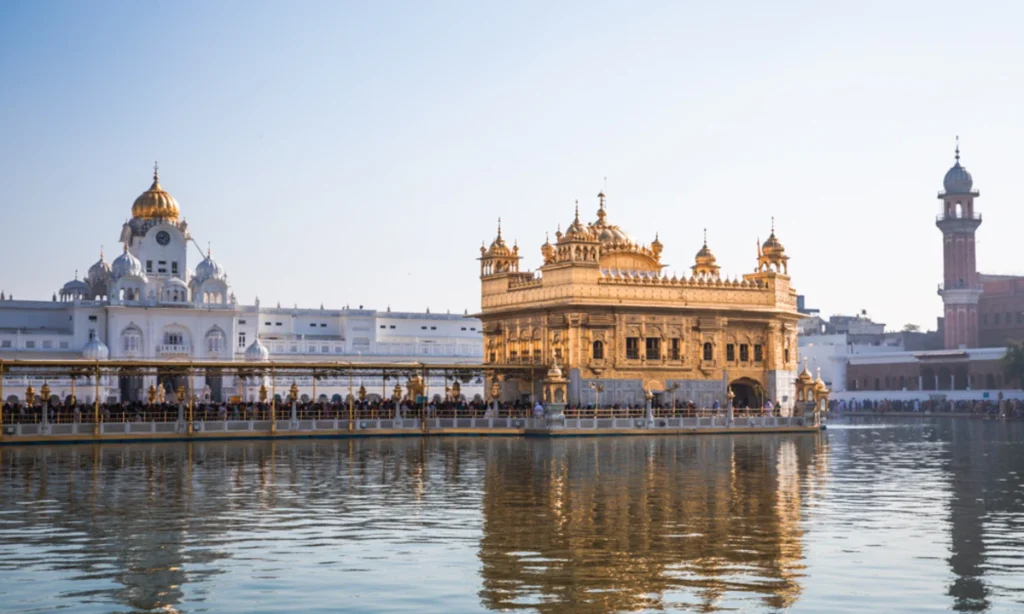
Visually, the contrast is striking. The white marble floors, the gentle movement of devotees, and the golden sanctum reflected in the sacred water create a sense of balance rather than spectacle. Rituals unfold naturally around you. People walk barefoot in quiet respect, some pausing in prayer, others simply absorbing the surroundings. Inside the Golden Temple, Amritsar, spirituality feels lived-in, not staged.
Emotionally, many visitors describe a sense of grounding. The space encourages humility and presence, whether you arrive as a pilgrim or a traveler exploring India through journeys like the Golden Triangle Tour with Ranthambore, an Agra Tour Package, or a broader Rajasthan Tour Package. The golden temple amritsar inside leaves a lasting impression not through grandeur alone, but through its quiet ability to connect people to something deeper and shared.
Inside the Golden Temple Amritsar: Key Areas Explained
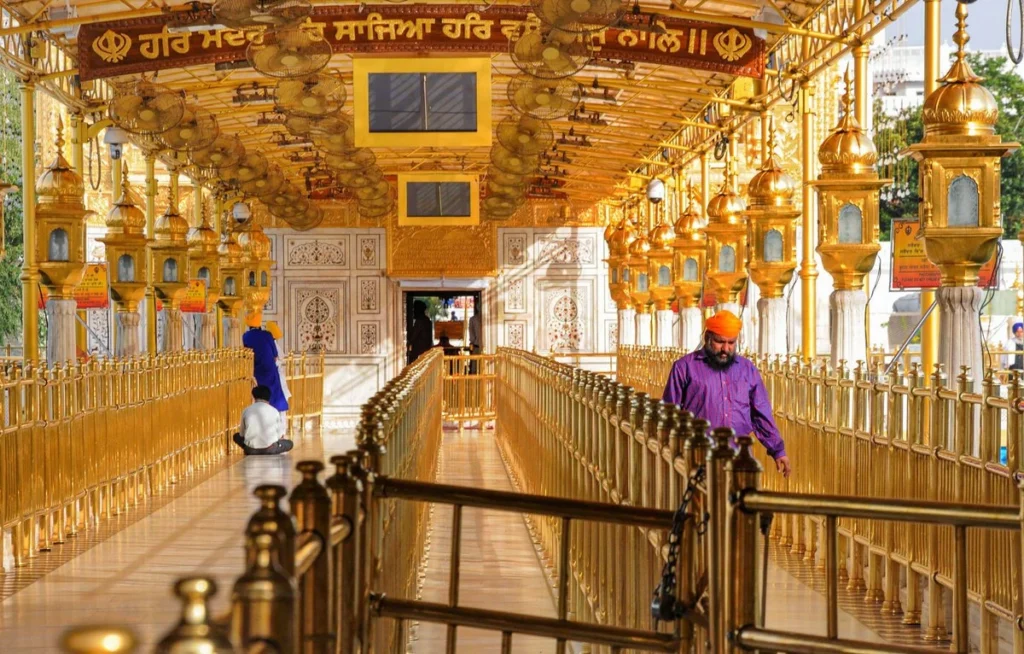
Exploring inside the Golden Temple Amritsar reveals a carefully designed spiritual space where movement, prayer, and architecture work together with purpose. Every area serves a religious function rather than decorative display, which is why the experience feels deeply immersive.
Main Sanctum
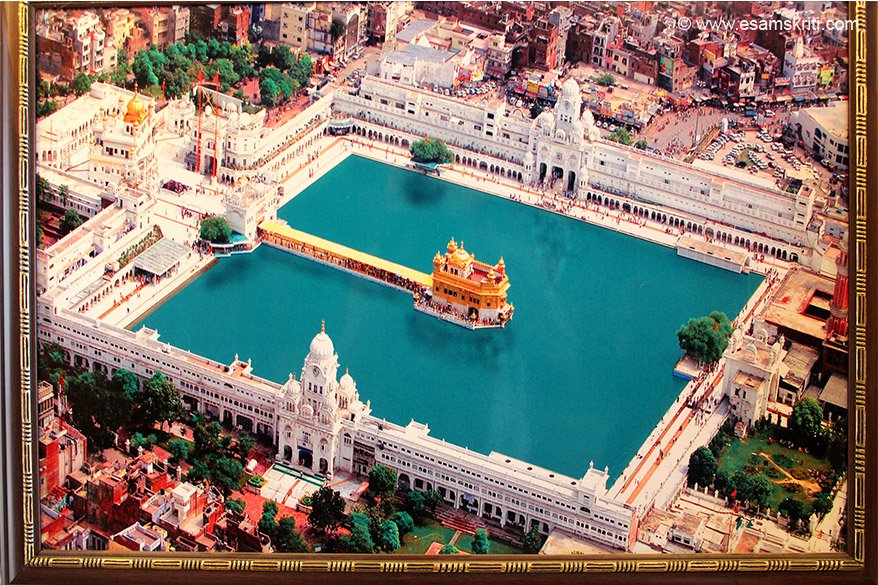
At the center of the Golden Temple, Amritsar, stands the sanctum of Harmandir Sahib. Elevated yet approachable, it reflects the Sikh belief that spirituality should remain accessible. Devotees gather quietly here, focusing on devotion rather than ritual complexity.
Presence of the Guru Granth Sahib
The Guru Granth Sahib, the eternal Guru of Sikhism, is respectfully placed inside the sanctum. Inside the Golden Temple Amritsar, the continuous recitation of Gurbani forms the spiritual heartbeat of the complex. This unbroken tradition reinforces the living nature of the shrine.
Pathways and Parikrama
The marble walkway surrounding the Sarovar allows devotees to perform parikrama, or circumambulation. Walking these paths inside the Golden Temple Amritsar is both meditative and communal, offering moments of reflection while staying connected to collective worship.
Architectural Details
Inside the Golden Temple Amritsar, architecture balances simplicity and symbolism. White marble represents purity, while gold signifies spiritual richness rather than material wealth. Floral inlays, arches, and reflections in water enhance serenity without overwhelming the senses.
Together, these elements make the experience inside the Golden Temple Amritsar structured yet deeply personal, encouraging reflection, humility, and shared spiritual presence rather than spectacle.
Inside of the Golden Temple: Architecture and Symbolism
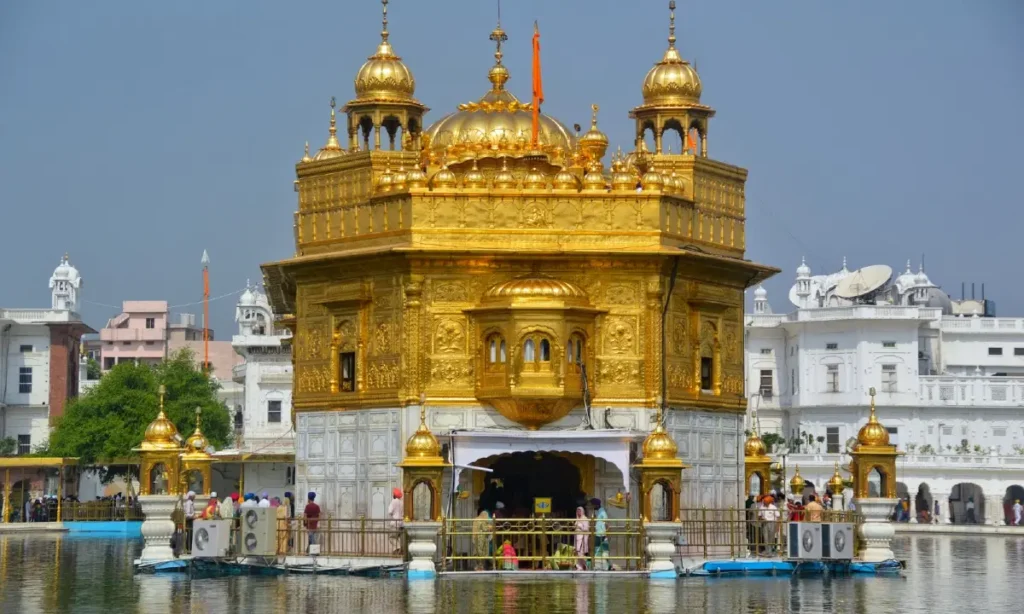
The experience inside the Golden Temple Amritsar is shaped as much by symbolism as by structure. Every design choice inside of the Golden Temple reflects Sikh philosophy, where spirituality is meant to be lived simply, not displayed as power or excess. The layout guides the visitor toward humility and awareness rather than visual dominance.
Gold is used inside of the Golden Temple not as a sign of wealth, but as a symbol of spiritual purity and devotion. The gold-covered sanctum represents the idea that inner truth is precious, yet it is positioned lower than the surrounding walkways to remind visitors that the ego must be set aside. This intentional placement defines the emotional tone inside of golden temple spaces.
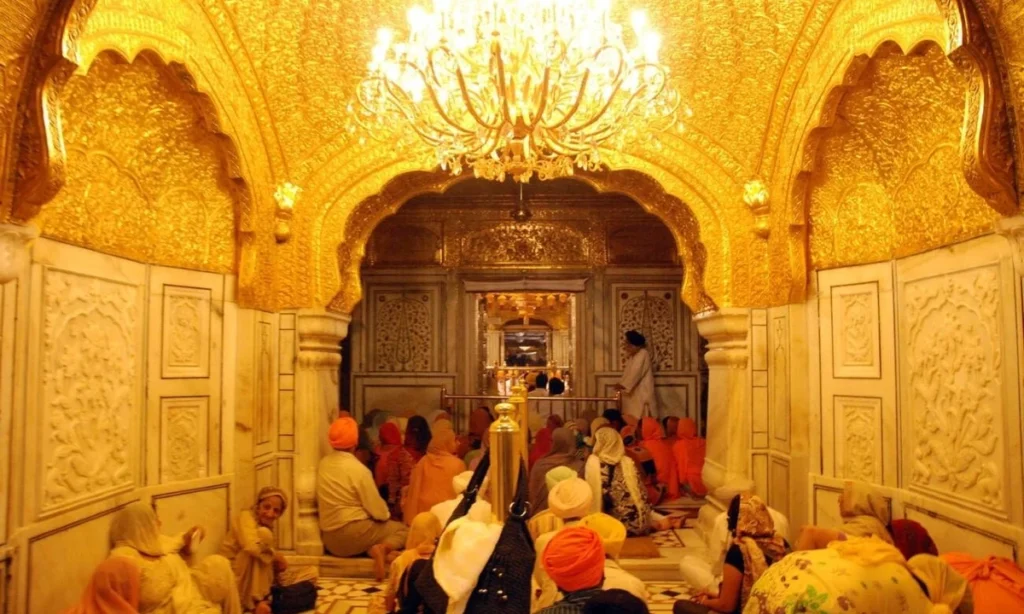
Marble plays an equally important role inside the Golden Temple, Amritsar. The cool white floors symbolize clarity, discipline, and equality. Everyone walks barefoot on the same surface, reinforcing the belief that no individual stands above another. Inside the Golden Temple, the marble pathways encourage slow movement, reflection, and respect for shared space.
The overall layout inside of golden temple areas follows a circular flow around the Sarovar. This design removes hierarchy and directs focus inward. Inside the Golden Temple, Amritsar, architecture does not demand attention. Instead, it quietly supports prayer, music, and community presence, turning physical space into a living expression of balance, humility, and collective faith.
Inside the Golden Temple: The Langar Experience
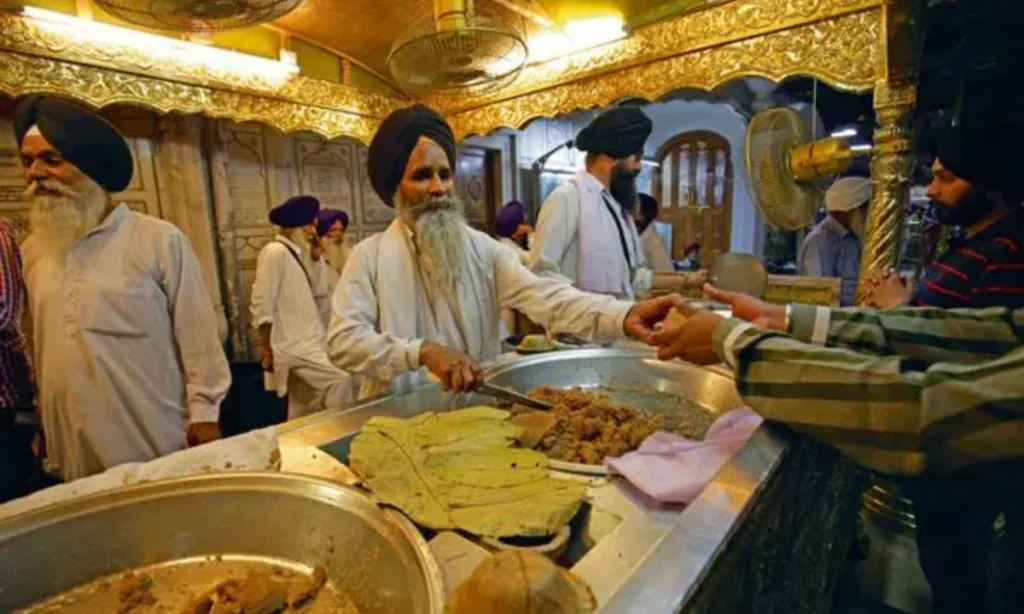
The langar is one of the most powerful experiences inside the Golden Temple, Amritsar, and for many visitors, it leaves a deeper impression than the architecture itself. Inside the Golden Temple, langar refers to the free community kitchen that serves meals to everyone, without exception. There is no concept of guest, devotee, or tourist here. Inside the golden temple spaces, all sit together on the floor and share the same food, reinforcing absolute equality.
What makes langar remarkable is how smoothly it functions every single day. Inside the Golden Temple in Amritsar, thousands of meals are prepared daily through collective effort. Volunteers wash utensils, cook, serve, and clean as an act of seva, or selfless service. There are no assigned roles based on status. Inside the Golden Temple, contribution matters more than identity.
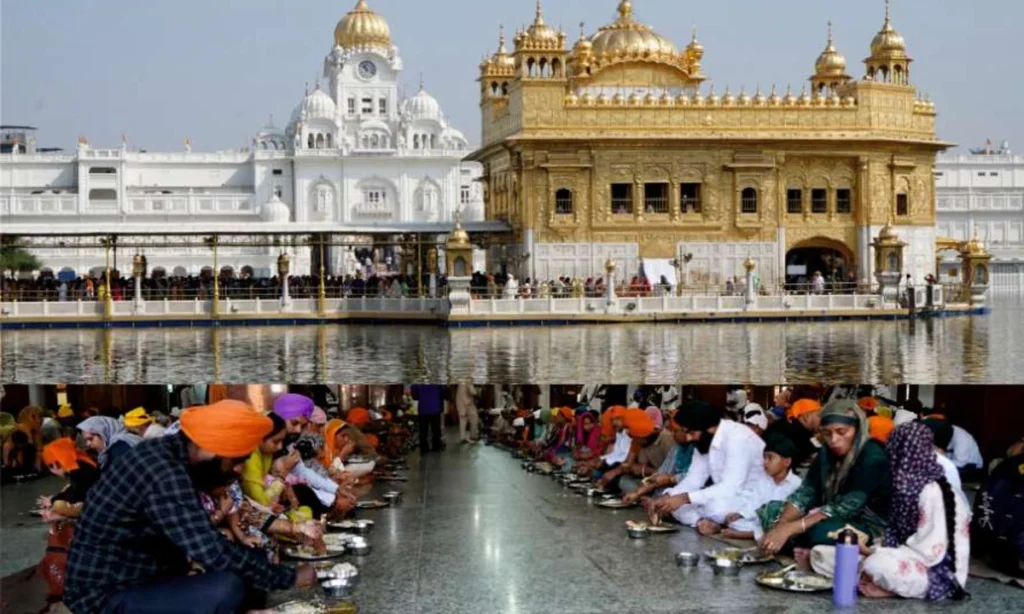
Culturally and socially, langar represents the soul of Sikh philosophy. Inside of golden temple tradition, sharing food is not charity but community responsibility. Sitting side by side removes social barriers that exist outside the shrine. This is why videos of langar resonate so strongly online. People are not just curious about the scale, but about the idea behind it.
Inside the Golden Temple, Amritsar, langar transforms belief into action. It shows how faith can operate practically, feeding both the body and the sense of shared humanity, which is why this experience stays with visitors long after they leave.
Visitor Etiquette and Cultural Guidelines
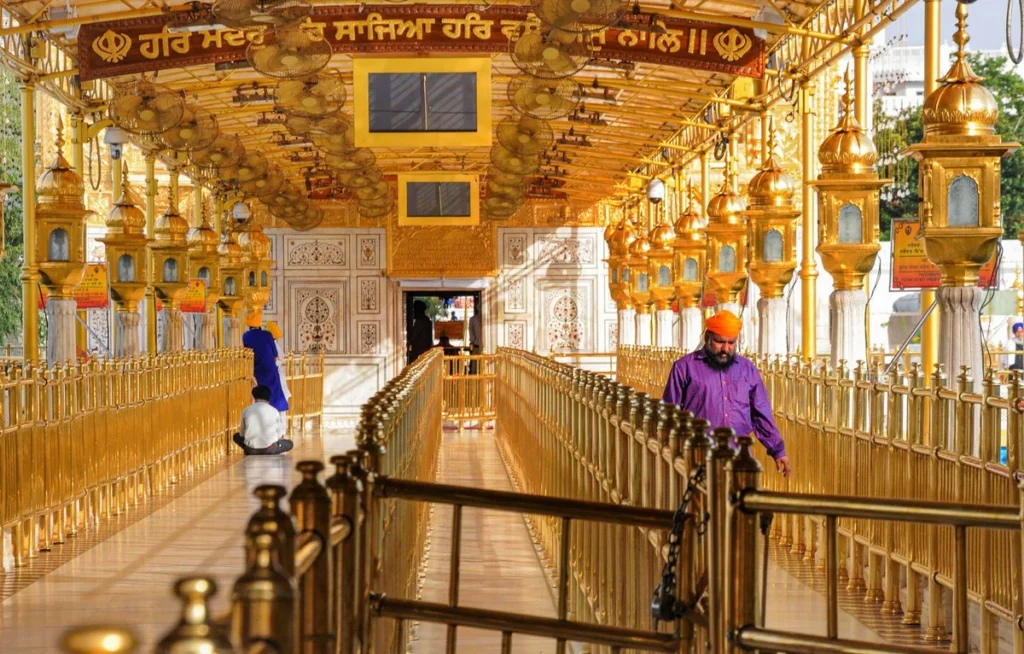
Following proper etiquette inside the Golden Temple, Amritsar, is essential to maintaining the sanctity of this sacred space. Respectful behavior not only honors Sikh traditions but also ensures a meaningful experience for everyone visiting the golden temple amritsar inside.
Dress Code
Inside the golden temple amritsar inside area, modest clothing is expected. Visitors should wear clothes that cover their shoulders and legs. This applies equally to men and women and reflects the principle of humility rather than fashion.
Head Covering
Covering the head is mandatory inside the Golden Temple, Amritsar, inside the complex. Scarves are available at entry points, but bringing your own is recommended. This practice signifies respect and submission to the divine, not ritual obligation.
Photography Rules
Photography is allowed only in designated outdoor areas. Inside the Golden Temple, Amritsar, inside the sanctum, taking photos or videos is strictly prohibited. This rule preserves the spiritual focus and prevents disruption during prayer and recitation.
Behavior Expectations
Visitors are expected to walk barefoot, maintain silence near the sanctum, and avoid disruptive behavior. Inside the golden temple amritsar inside, eating, smoking, or using mobile phones is not permitted. Every guideline exists to protect the shared spiritual atmosphere.
Understanding and following these norms helps visitors feel confident and respectful, making the Golden Temple Amritsar experience authentic, calm, and welcoming rather than overwhelming.
Conclusion: Why the Golden Temple Leaves a Lasting Impact
The experience of the Golden Temple Amritsar stays with visitors long after they leave its marble pathways. What makes the golden temple amritsar truly impactful is not just its beauty, but the way faith, equality, and service are practiced daily without spectacle. From quiet prayer to shared meals, every moment reflects values that feel relevant far beyond religion.
Whether you visit as a pilgrim, a traveler, or someone simply curious about Sikh heritage, the Golden Temple offers a lesson in humility and coexistence. Experiencing it with respect and openness allows you to understand why this sacred place continues to inspire people from all walks of life and invites deeper exploration into the spirit and history of Sikhism.